
Controlling material integrity in hydrogen systems
Why is hydrogen embrittlement difficult to control?
Hydrogen is becoming an increasingly important energy carrier in high-pressure storage and transportation systems. Yet working with hydrogen introduces a complex engineering challenge that is often underestimated: hydrogen embrittlement.
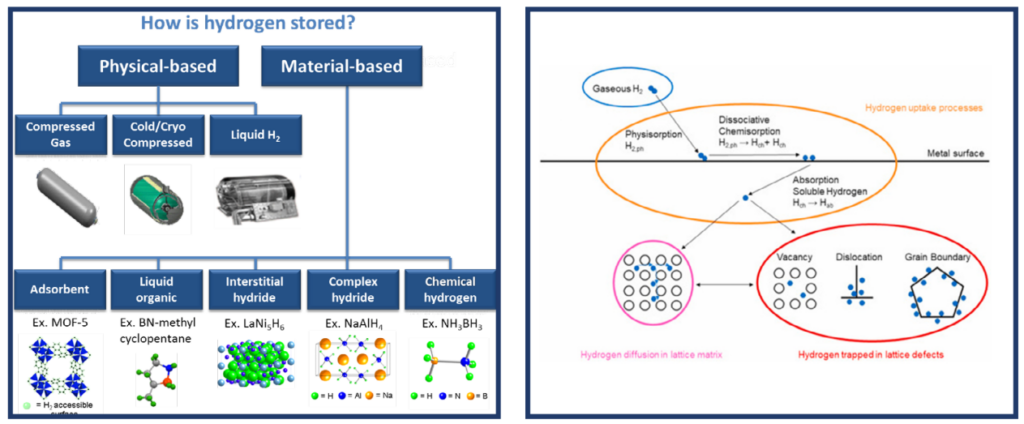
Unlike visible corrosion or mechanical wear, hydrogen embrittlement happens inside the material and is therefore difficult to detect. Tiny hydrogen atoms can enter the metal and gradually make it weaker and more brittle. Under pressure or mechanical stress, this can eventually lead to cracks.
The challenge is that hydrogen embrittlement is rarely caused by a single factor. The risk depends on a combination of the material being used, the pressure in the system and the mechanical forces acting on the component.
Choosing the right material is therefore important. Some high-strength steels are more sensitive to hydrogen embrittlement, while certain types of stainless steel offer better resistance. However, even materials that are suitable for hydrogen can be affected under demanding operating conditions.
Pressure also plays an important role. In many hydrogen systems, components are repeatedly exposed to rising and falling pressure. Over time, this puts additional stress on the material. Areas where stress is concentrated such as bends, welds, corrugations and connections are particularly vulnerable to cracks. Once a crack starts, it can grow further under repeated pressure.
Temperature and exposure time also influence material behaviour. Hydrogen interaction with metals changes depending on operating conditions, making long-term performance highly application-specific.
Reducing hydrogen embrittlement through system design
At CoreDux, hydrogen embrittlement is approached as a system-level engineering challenge. Reliable hydrogen infrastructure requires more than selecting the right material alone. Long-term integrity depends on how material properties, forming processes, welding quality and mechanical loads interact throughout the complete system lifecycle.
Controlling residual stress is essential. Manufacturing processes such as forming, welding and assembly can introduce local stress concentrations that accelerate embrittlement behaviour under hydrogen exposure. Optimising component geometry, corrugation shapes and connection designs helps reduce these risks.
Design integrity is equally critical. Controlled stress levels, proper routing and robust mechanical interfaces contribute directly to long-term reliability in hydrogen applications. Especially in dynamic or high-pressure environments, system behaviour must be evaluated as a complete engineering challenge rather than as individual components.
By aligning hydrogen-compatible materials, controlled manufacturing processes and application-specific design principles, hydrogen systems can be engineered for both safety and durability.
Conclusion: safeguarding reliability in hydrogen environments
Hydrogen embrittlement remains one of the key engineering risks in high pressure hydrogen systems. Because the failure mechanism develops internally and progressively, preventing embrittlement requires a proactive and integrated engineering approach.
Reliable hydrogen systems are not defined by a single material choice or isolated component specification. They depend on the careful alignment between material behaviour, pressure conditions and design integrity across the entire system.
In short, hydrogen may enable the energy transition, but only controlled engineering enables reliable hydrogen infrastructure.
Are you dealing with hydrogen embrittlement risks in a critical application? Our engineers are ready to explore the challenge with you.